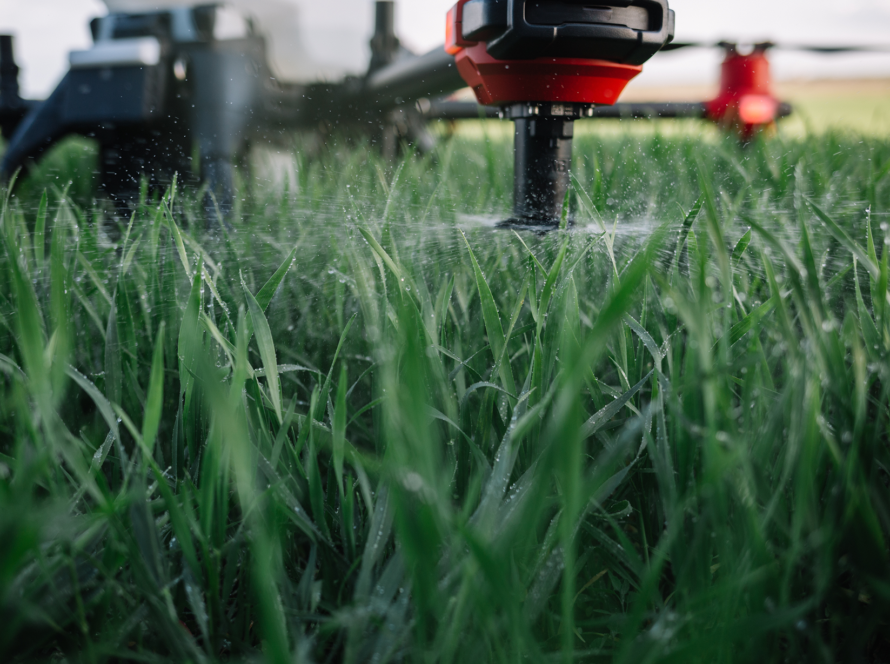
Agriculture is becoming increasingly data-driven. From soil monitoring and smart irrigation to environmental sensing and digital decision-support systems, technology is changing how agricultural production is understood and managed.
Yet, for much of Africa, an important question remains: who is developing the technologies that will support our agricultural transformation?

While the adoption of imported agricultural technologies has helped introduce new capabilities into the sector, dependence on foreign equipment also presents challenges.
High acquisition costs, limited local technical support, maintenance difficulties and the need to adapt products to different farming conditions can restrict accessibility, particularly for smallholder and medium-scale farmers.
At PWR Farm Integrated Technologies (PWR-FIT), we believe that addressing these challenges requires more than adopting existing technologies. It requires developing the local capacity to design, adapt, test and manufacture agricultural technology that responds to the realities of our farming systems.
Beyond technology adoption
Precision agriculture is often discussed in terms of artificial intelligence, satellite imagery, digital platforms and advanced analytics. However, many of these capabilities depend on something fundamental: reliable data collected from the field.
Soil moisture sensors, electrical conductivity sensors, weather monitoring equipment and other Internet of Things (IoT) devices provide the physical infrastructure required to understand changing field conditions.

Without accessible and dependable sensing technologies, the ambition of data-driven agriculture can remain out of reach for many farmers.
This is why we believe the development of agricultural hardware deserves greater attention within Africa’s digital agriculture conversation. The continent must not only build the software that interprets agricultural data; it must also strengthen its capacity to develop the devices and systems that generate that data.
The role of universities in agricultural innovation
Universities occupy an important position in this process.Beyond their traditional responsibilities in teaching and research, universities possess technical expertise, research facilities, engineering capabilities and access to emerging talent. These resources can contribute significantly to the development of locally relevant technologies.
However, research outcomes do not always translate into commercially viable products or solutions that reach the people who need them.
This is where stronger collaboration between universities and industry becomes particularly important.
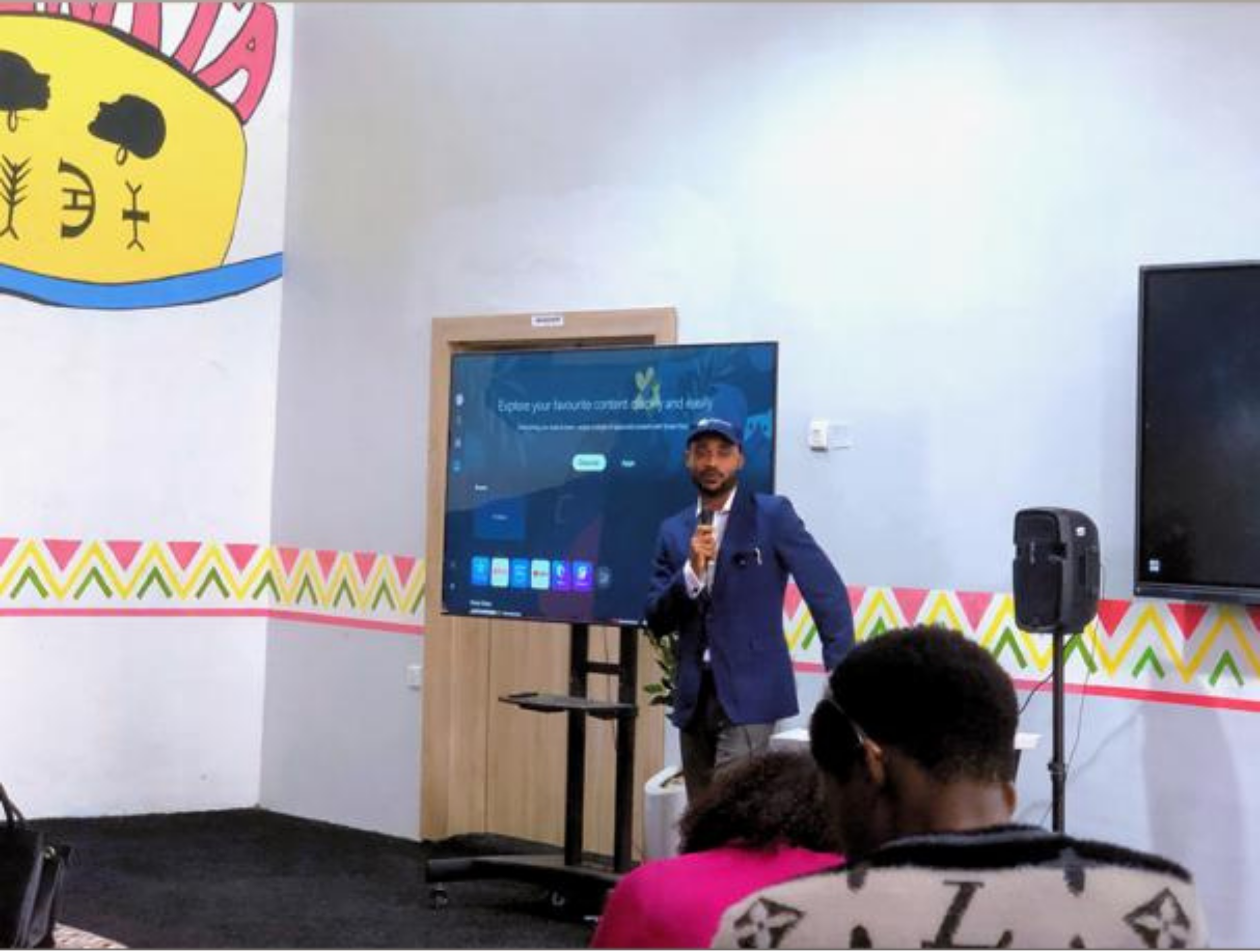
Agricultural technology companies understand the practical challenges of deployment, product adoption, affordability and commercialisation. Universities contribute research expertise, technical knowledge, experimentation and opportunities for innovation.
When these capabilities come together, research can become more closely connected to real-world applications, while industry gains access to the technical capacity needed to develop better solutions.
Strengthening the connection between research and practical deployment
Our recent engagement with the Manufacturing Technology Innovation Pod (UniPod) at Michael Okpara University of Agriculture, Umudike, reflects our interest in this approach.
The engagement provided an opportunity to interact with the UniPod community, exchange perspectives on innovation and explore the role of local technical capacity in addressing agricultural challenges.
It also reinforced an important consideration for us at PWR-FIT: developing agricultural technology for African conditions requires an environment where ideas can be explored, prototypes can be tested, technical expertise can be shared and promising solutions can progress towards practical application.
We see considerable value in building a working relationship with institutions such as UniPod, particularly in areas relating to agricultural sensing technologies, low-cost IoT devices, prototyping, local manufacturing and the development of technical capacity among students and researchers.
Our intention is to continue building this relationship through practical engagement and the exploration of areas where our respective capabilities and interests align.
Making precision agriculture more accessible
At PWR-FIT, our work is organised around two complementary areas.EquipIQ focuses on agricultural sensing and hardware solutions, including technologies for monitoring soil and environmental conditions.
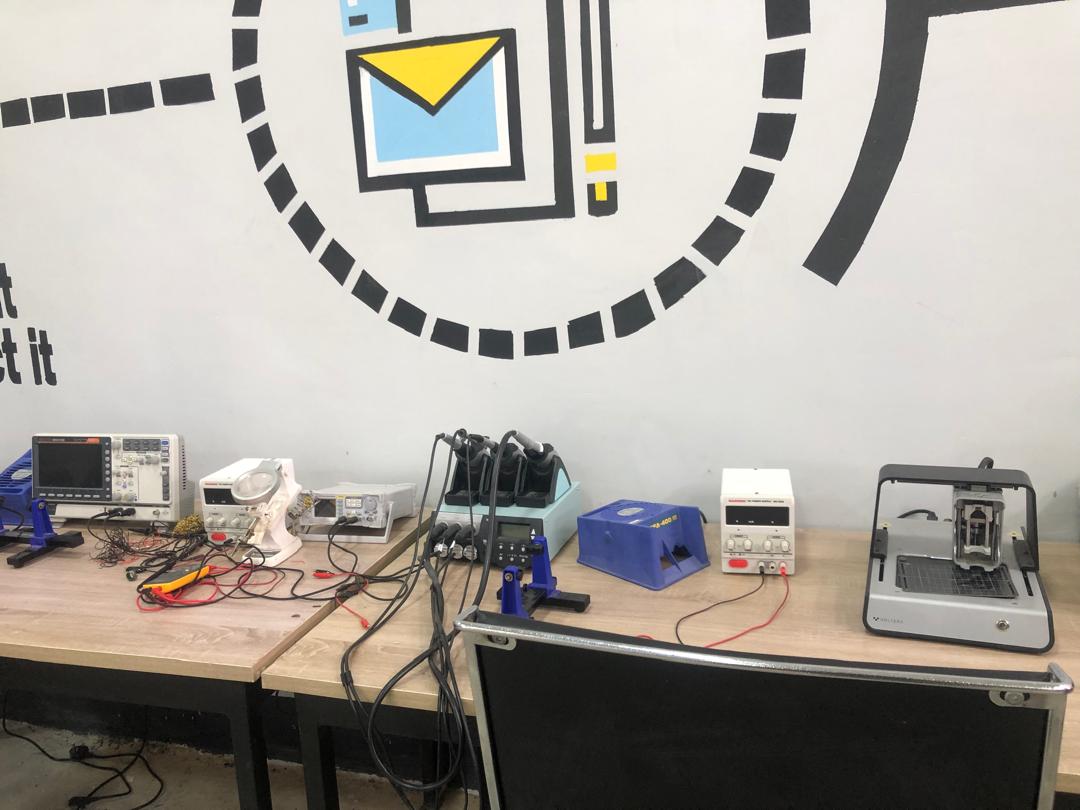
ProcessIQ focuses on agricultural intelligence and decision-support capabilities that can help translate field information into more useful agricultural insights.
Together, these areas reflect our broader ambition to make precision agriculture more accessible, practical and relevant to Nigerian farming conditions.
We recognise that achieving this ambition will require collaboration across different areas of expertise. It will require engineers, researchers, agricultural professionals, technology developers and farmers to contribute to the process of developing and validating solutions.
Local innovation should not simply mean reproducing imported products. It should mean understanding the challenges within our own agricultural systems and developing technologies that respond to them.
A collaborative approach to Africa’s agricultural future
The future of agricultural innovation in Africa will depend not only on the technologies we adopt but also on the capabilities we develop.
Building these capabilities requires stronger connections between universities, private enterprises, research institutions and the agricultural communities they ultimately serve.
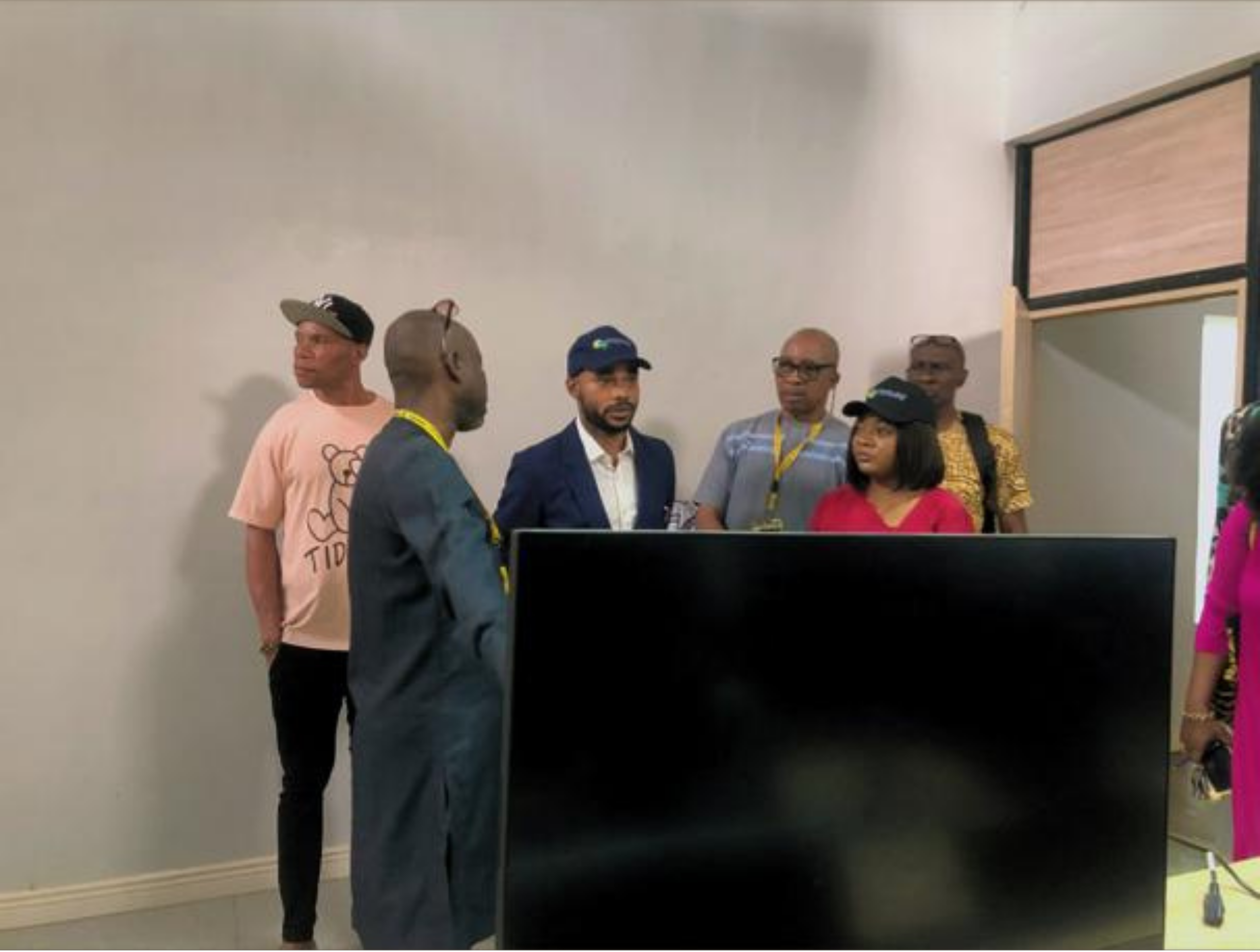
For us, the engagement with UniPod represents part of a broader commitment to this approach. We look forward to continuing the relationship, exploring practical areas of collaboration and contributing to an environment where research, engineering and agricultural experience can work together to develop solutions.
Africa should not only be a destination for agricultural technology. We should increasingly become a place where that technology is conceived, developed, tested and brought to market.
At PWR-FIT, we believe that building this capacity is essential to making precision agriculture more accessible and creating a stronger technological foundation for the future of African agriculture.