


At PWR Farm Integrated Technologies (PWR-FIT), we often talk about smarter farming as a journey — not a product. And before any sensor goes into the soil or any dashboard begins to display data, there is an important phase that rarely gets discussed: preparation.
This is where we are today.
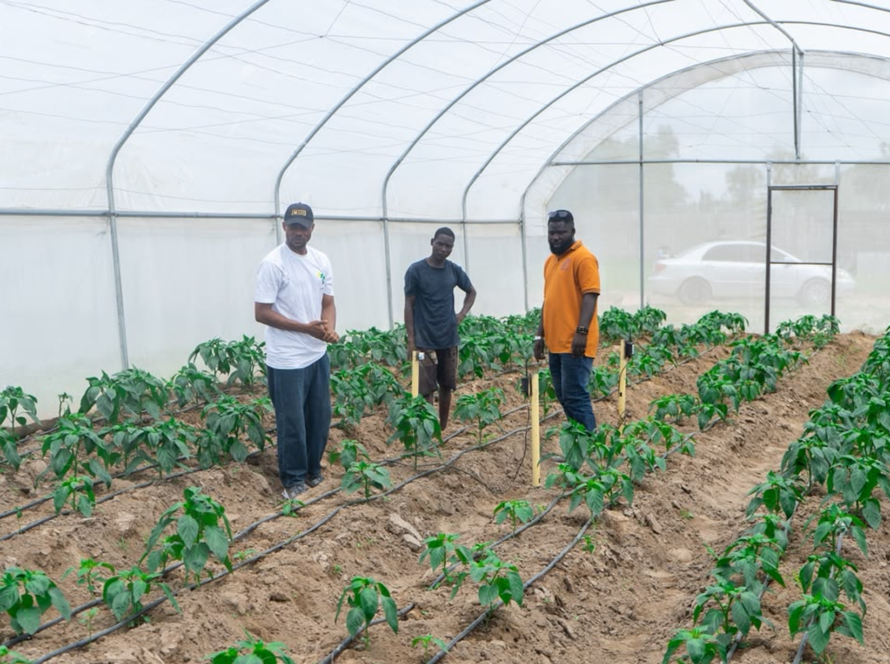
Over the past few months, we have been working quietly behind the scenes — selecting equipment, engaging with farms, speaking with researchers, and designing how our first pilot deployment should work in real Nigerian conditions. The equipment is on its way, but the real work began long before shipping.
Because smart agriculture does not start with technology. It starts with understanding.
WHY PILOTS MATTER
Agriculture in Nigeria is complex. Soil conditions vary widely even within the same farm. Weather patterns are increasingly unpredictable. Farming decisions are shaped by experience, cost pressures, and timing.
Technology that works elsewhere cannot simply be imported and expected to succeed here.
Our pilot is not about proving that technology works. It is about learning how it works locally:
- How data behaves under real field conditions
- What information farmers actually need day to day
- How simple insights can support better decisions without adding complexity
The goal is clarity, not complexity.
FROM DATA COLLECTION TO BETTER DECISIONS
Before optimization comes observation. Before automation comes understanding.
The first phase of our deployment focuses on collecting reliable data — soil conditions, environmental changes, and operational patterns over time. This allows us to answer practical questions:
- When does soil moisture actually drop below useful levels?
- How quickly do field conditions change after rainfall?
- What early signals appear before visible crop stress?
These are small questions, but answering them consistently can reduce guesswork across farming and processing.
BEYOND THE FARM
For us, smart agriculture extends beyond cultivation. Processing, storage, and handling are equally important parts of the value chain. Data visibility across these stages helps reduce losses and improves planning.
Our long-term vision through EquipIQ and ProcessIQ is to connect insight from farm to processing — creating systems that support decision-making across the entire agricultural cycle.
But every system starts small. Every improvement begins with learning.
LEARNING IN THE OPEN
As we prepare for deployment, we are reminded that innovation does not happen in isolation. It happens through collaboration — with farmers, researchers, technicians, and partners who understand the realities on the ground.
This pilot is as much about listening as it is about building.
In the coming weeks, we will share what we learn during installation and early deployment — not as conclusions, but as observations from the field.
Because agriculture is changing, and the best way forward is to learn together.


1 Comment
Alakinde Sodiq
As a young farmer, i really Love this approach! Understanding local conditions is key in Nigeria’s diverse agricultural landscape. Can’t wait to see the insights from your pilot deployment and how it shapes EquipIQ and ProcessIQ. PWR-FIT is setting the pace for smart farming in Africa! 😊”